


Caring for Large Breed Dogs Glen Mills: Tailored Wellness and Dental Advice
Stay In the Know !
Caring for large-breed dogs Glen Mills pet owners requires a thoughtful and proactive approach. Large dogs have unique health needs that differ from smaller breeds, including joint care, dental maintenance, and weight management. Because of their size and growth patterns, they are more prone to certain conditions, making preventive care especially important.
At Old Ridge Veterinary, we understand that large breed dog health depends on consistent monitoring, proper nutrition, and regular veterinary visits. With the right care plan, your large dog can enjoy a long, active, and comfortable life.
Understanding Large Breed Dog Health
Large breed dog health is influenced by genetics, lifestyle, and environment. Breeds such as Labradors, German Shepherds, and Great Danes often face issues like hip dysplasia, arthritis, and heart conditions. Therefore, early detection and preventive care big dogs need are essential.
In addition, large dogs age faster than smaller breeds. This means regular checkups with a Glen Mills vet large dogs trust are crucial. These visits allow veterinarians to monitor changes in weight, mobility, and overall health.
Moreover, large dogs require tailored care plans. For example, their joints carry more weight, which increases the risk of wear and tear. As a result, a combination of proper exercise, balanced diet, and supplements can help maintain long-term health.
Nutrition and Feeding Guidelines
Nutrition plays a key role in caring for large-breed dogs Glen Mills. Large dogs need a balanced diet that supports bone growth, muscle strength, and overall energy levels. Feeding high-quality food designed specifically for large breeds is highly recommended.
In addition, portion control is important. Overfeeding can lead to obesity, which puts extra stress on joints and organs. On the other hand, underfeeding may result in nutrient deficiencies. Therefore, it is best to follow your veterinarian’s guidance on portion sizes.
Puppies of large breeds require special attention. Rapid growth can lead to skeletal problems if not managed properly. Feeding controlled portions and avoiding excessive calcium intake can help prevent developmental issues.
Exercise and Mobility Care
Exercise is essential for maintaining healthy weight and muscle tone. However, large dogs require controlled and consistent physical activity. High-impact exercises, such as jumping or running on hard surfaces, may damage joints over time.
Instead, low-impact activities like walking, swimming, or gentle play are ideal. These exercises improve circulation and strengthen muscles without putting too much stress on joints.
In addition, monitoring mobility is important. Signs such as stiffness, limping, or reluctance to move may indicate joint problems. Early intervention by a Glen Mills vet large dogs rely on can help manage these issues effectively.
Dog Dental Large Breeds: Why It Matters
Dog dental large breeds care is often overlooked, but it is a vital part of overall health. Dental problems can lead to infections that affect the heart, liver, and kidneys. Therefore, maintaining oral hygiene is essential.
Regular brushing helps remove plaque and prevent tartar buildup. In addition, dental chews and toys designed for large dogs can support oral health. Professional cleanings performed by your veterinarian are also recommended.
Furthermore, watch for signs of dental issues. Bad breath, swollen gums, and difficulty eating may indicate a problem. Addressing these symptoms early can prevent serious complications.
Spay Neuter Large Breed Considerations
Spay neuter large breed decisions require careful timing. Unlike smaller dogs, large breeds may benefit from delayed procedures to allow proper growth and joint development.
Consulting a Glen Mills vet large dogs trust is important when deciding the right time. Veterinarians consider factors such as breed, size, and overall health before making recommendations.
In addition, spaying or neutering can prevent certain health issues and behavioral problems. However, proper post-surgery care is essential to ensure a smooth recovery.
Preventive Care Big Dogs Need
Preventive care big dogs require includes regular checkups, vaccinations, parasite control, and health screenings. These measures help detect potential issues before they become serious.
Routine blood tests, weight checks, and physical exams provide valuable insights into your dog’s health. In addition, preventive care helps manage chronic conditions common in large breeds.
Working closely with a Glen Mills vet, large dogs depend on ensuring that your pet receives personalized care. This proactive approach improves quality of life and reduces long-term health risks.
Common Health Issues in Large Dogs
Large dogs are more susceptible to certain health conditions. Understanding these issues can help you take preventive measures.
Hip and elbow dysplasia are common joint disorders. These conditions cause pain and limit mobility. Early diagnosis and treatment can improve outcomes.
Bloat, also known as gastric dilatation-volvulus, is another serious condition. It requires immediate medical attention. Feeding smaller meals and avoiding exercise after eating can reduce risk.
Heart disease and obesity are also concerns. Regular vet visits and proper diet management play a key role in prevention.
Grooming and Daily Care
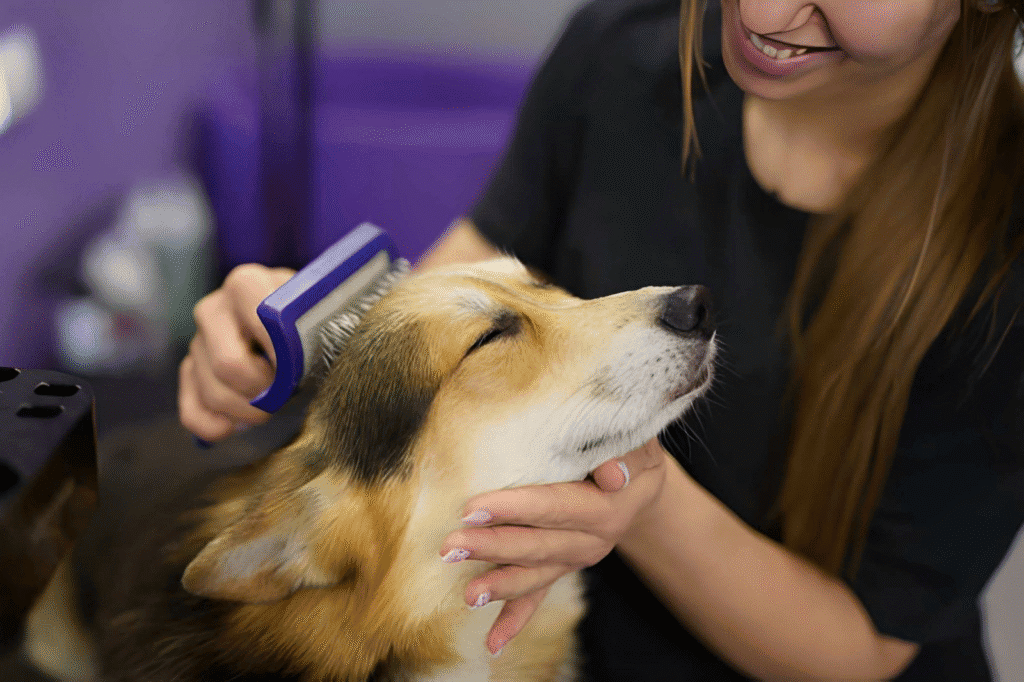
Grooming is an important part of caring for large-breed dogs Glen Mills. Regular brushing keeps the coat healthy and reduces shedding. It also allows you to check for skin issues or parasites.
Bathing should be done as needed, depending on your dog’s activity level. In addition, nail trimming is essential to prevent discomfort and mobility issues.
Daily care also includes checking ears, eyes, and paws. Keeping these areas clean helps prevent infections and ensures overall comfort.
Mental Stimulation and Behavior
Large dogs need mental stimulation to stay happy and well-behaved. Without proper engagement, they may develop destructive habits or anxiety.
Interactive toys, training sessions, and socialization are effective ways to keep your dog mentally active. In addition, spending quality time with your pet strengthens your bond.
Training is especially important for large breeds. Proper behavior ensures safety and makes daily interactions easier. Consistent and positive reinforcement techniques work best.
Choosing the Right Glen Mills Vet for Large Dogs
Selecting the right Glen Mills vet large dogs rely on is crucial for long-term health. Look for a clinic with experience in large breed dog health and preventive care.
A good veterinarian will provide comprehensive services, including dental care, nutrition advice, and wellness plans. In addition, they will take time to understand your pet’s specific needs.
Regular communication with your vet ensures that your dog receives the best possible care. This partnership plays a key role in maintaining your pet’s health and happiness.
Conclusion
Caring for large-breed dogs Glen Mills requires dedication, knowledge, and the right support. From proper nutrition and exercise to dental care and preventive treatments, every aspect plays a role in your dog’s well-being.
By working with an experienced Glen Mills vet large dogs trust, you can create a tailored care plan that meets your pet’s needs. With consistent care and attention, your large dog can enjoy a healthy, active, and fulfilling life.Contact us for more.
FAQs
Q1: How often should large-breed dogs visit the vet?
Large-breed dogs should visit the vet at least twice a year. Regular checkups help monitor health and detect issues early.
Q2: Why is dental care important for large breeds?
Dog dental large breeds care prevents infections and improves overall health. Regular brushing and cleanings are essential.
Q3: When should I consider spay or neuter for large breeds?
Spay neuter large breed timing depends on growth and health. Consult your veterinarian for the best recommendation.
Q4: What exercise is best for large dogs?
Low-impact activities like walking and swimming are ideal. They support joint health without causing strain.
Q5:What are common health issues in large dogs?
Common issues include joint problems, bloat, and heart disease. Preventive care big dogs need helps reduce these risks.
Recent Posts


About Us
Old Ridge Veterinary Hospital was founded by Dr. William Tancredi who wanted to bring dedicated, mindful, and personalized pet care to his hometown of Chadds Ford, PA. The hospital exists to help people and their pets by practicing with compassion, dedication, and mindfulness. The hospital started out as a mobile unit, and then transitioned to include a full-fledged stationary hospital where many more advanced procedures can be performed to improve the lives of pets and people in the community.